
The fusion of technology with knowledge creates what the world once assumed as miracles and biotechnology can be considered as a perfect example where the knowledge of biology when blended with technology is making the world a better place by enhancing the quality of life and alleviating the human sufferings.
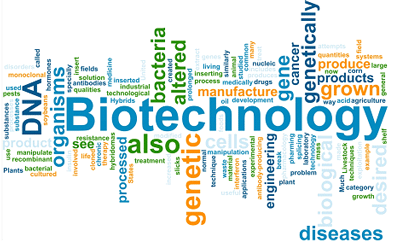
Fig. 1: A Representational Image of Biotechnology
What is Biotechnology?
‘Biotechnology’, the term was coined by a Hungarian engineer, Karl Ereky and is defined as per the UN convention on biological diversity as, “Any technological application that uses biological system or living organisms to make or modify the process or products for specific use.”
Effusing life to life, through life, is what biotechnology is about. The idea of modifying products to suit specific applications and engineer them to make more viable, inspired man to reach the pinnacle where Biotechnology stands today.
Biotechnology has touched almost every aspect of human life and has carved its niche too. Biotechnology dealing with medical and health care is termed as Red biotechnology. It is Green biotechnology, when it concerns about agricultural processes and White biotechnology when comes to industrial processes.
History
‘Dolly’, the cloned sheep, human genome project, genetically modified crops, medical science breakthroughs, drew the attraction of the world towards biotechnology and thus it carries a misconception of being a recent advent. However, the fact is that it is as old as our civilisation. If you clearly understood the definition of biotechnology given above, you can figure out that when you convert milk to yogurt or cheese it is nothing but biotechnology, where a living organism (bacteria), makes the product. Agriculture, in a way is biotechnology too. Selective planting of crops and breeding of animals, has been practiced since Neolithic revolution. Sumerians and Babylonians in 6000 BC used yeast to make beer. The process of fermentation, a natural process based on biological activity of single celled microorganism was first used by Egyptians to bake breads and make wine.
The progress of biotechnology in late eighteenth century and dawn of nineteenth century include some crucial discoveries like vaccination, crop rotation to increase yield and land use. Discovery of microorganisms, Mendel’s work on genetics, Darwin’s theory of natural selection, Pasteur’s work on communicable diseases dates back to the late nineteenth century.
Biotechnology made its industrial and agricultural presence at the beginning of twentieth century. Production and use of Bio fuel was encouraged during World Wars. In 1928, Alexander Fleming discovered penicillin. In 1953, structure of DNA was proposed, that stirred the research in molecular biology and genetics. With the discovery of restricted enzyme, it became possible to insert foreign genes to bacteria in 1973. This paved way for the revolutionary technique ‘Recombinant DNA’. This technique enabled production of human insulin from bacteria and is also considered as the birth of modern biotechnology.
This legacy of biotechnological breakthroughs, capable of changing lives, is continuing till date.
The world of Biotechnology:
Biotechnology has marked its presence in medical, industrial, environmental, agricultural, forensics and many more areas directly touching the lives of human beings and is making a significant difference too.
Red Biotechnology:
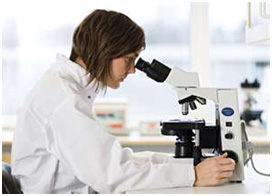
Fig. 2: A Representational Image of Red Biotechnology Applied to Medical and Health Care Fields
Biotechnology applied to the medical and health care field is termed as ‘Red Biotechnology’. Intensive research in this field has not only assured a ray of hope for various life threatening diseases but has also enhanced the quality of life. Red biotechnology deals with pharmacogenomics, designing organisms to produce antibiotics and vaccines, clinical research and trials, gene therapy and diagnostics. The technology is useful in veterinary science and poultry farming as well.
Genetic Engineering:
This application of biotechnology is not less than a boon for health care. It cures by altering the genetic 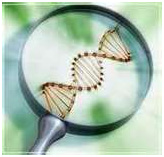
Fig. 3: An Image Showing Application of Biotechnology for Genetic Engineering
material of an individual. DNA, the genetic material, is manipulated by Gene therapy either to replace the defective genes or to supplement normal genes using treatments like Ex-vivo (from outside body) or In-vivo (inside the body).
Gene splicing, a tool of genetic engineering allows scientists to transfer gene from one organism to another. This alteration of genetic make-up of organism led to the development of recombinant DNA, which proved a milestone for production of insulin needed for type-2 diabetes. Some genes of human insulin are transferred to E-coli bacteria, from which further production of insulin is achieved.
Red biotechnology has played vital role in the development of vaccines too. Genetically altered cowpox is used against influenza, herpes and hepatitis. HGP
Pharmacogenomics and Medicines:
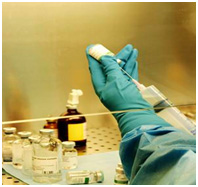
Fig. 4: An Image Showing Application of Biotechnology for Pharmagenomics and Medicines
The study of pharmaceuticals and genetics, Pharmacogenomics, makes it possible to design and produce drugs to suit the specific genetic requirements of specific patients. With this technology it is also possible to determine the dosage of drugs appropriate to a patient as genetic information enables to know the response of body to the drug. It helps pharmaceutical industry to develop better quality medicines.
Biotech drugs, known as biologics or biotherapeuticals are derived from genetic engineering or manipulation of proteins in organisms. Unlike conventional drugs, that treat symptoms in a broad way, the biologics are used specifically.
Cloning:
The credit of popularization of this novel field goes to ‘Dolly’, the cloned sheep at Roslin institute in1997. This also triggered hopes of success in developing human clone, which then was just a part of farfetched scientific fictions. In this technique, a nucleus is removed from one cell and is placed inside an unfertilized egg and can be allowed to grow identical to the donor of original nucleus.
Stem cell Therapy:
This new face of advancement in technology has some truly enormous potential. It can completely change the way of treating deadly diseases like cancer. Stem cells are cells in their initial stage, when they are not yet specialized to develop into some particular cell. These unspecialized cells can renew themselves for long periods of time through cell division and under certain biochemical conditions can be made to differentiate, i.e. grow into specific cell. Thus new cells can be inserted in place of damaged ones to treat the injury and the characteristic self renewal property allows generation of tissues to replace tissues in affected areas.
Recently scientists succeeded in production of stem cells from endangered species, a breakthrough that could save animals in danger of extinction.
Green Biotechnology
Green biotechnology:
Biotechnology has brought a revolution in the field of agriculture. It is now not enthralling to hear about genetically modified fruits, vegetables available in any season and offering you specific nutriti-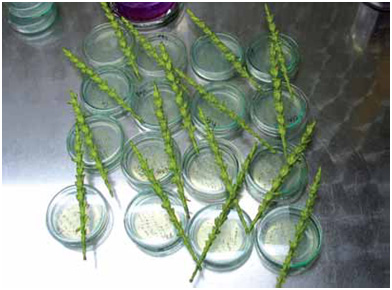
Fig. 5: An Image Illustrating Green Biotechnology or Plan Biotechnology
onal value. ‘Trans-genetic plants’ modified for increased resistance to pests and diseases, improved flavour and enhanced growth in adverse weather conditions have started occupying place in our refrigerators. Not just this, but there is much more that green biotechnology also known as Plant Biotechnology has done especially alleviating the pains of farmers. Main research areas and applications include:
Plant tissue culture:
It is a technique that allows whole plants to be produced from minute amounts of plant parts like the roots, leaves or stems or even just a single plant cell under laboratory conditions (in vitro) and to preserve the genetic resources too. The technique thus allows the production of clean, disease free planting material and that too at a rapid pace.
Plant Genetic Engineering:
The technique of selective, deliberate transfer of genes to produce new improved crops has made it possible to grow genetically engineered crops for enhanced features as in cotton, sweet potato etc. Also, crops that can withstand environmental stress may be developed. Genes with characters to cope with draught, salty soil and other conditions may completely solve the problem of spoilage of crops.
There are now seen to be three generations of genetically modified plants. The first contains genes with required traits that are significant from the standpoint of cultivation, such as herbicide tolerance or resistance to insects and disease. Cultivation of such plants brings benefits to farmers in the form of lower use of pesticides or labour. The second generation consists of plants whose improved traits manifest themselves in the final stage of their use. Such plants will be a source of improved food products. The genes introduced into them may alter the function of certain proteins. For instance, an improved amino acid composition or an increased content of a certain vitamin (such as in the modified “Golden Rice,” with an increased provitamin A content) may improve food quality and help prevent dangerous diseases, such as childhood blindness caused in Asia by vitamin A deficiency. Genetic modification may also contribute to improving the flavour of fruits and vegetables, or to reducing allergen content in foods. Such modification therefore generates direct benefits for consumers. The third and latest generation consists of GM plants that function like bio-factories, producing concrete substances utilized in various industries.
Plants with an altered fatty acid synthesis pathway are finding applications in the production of industrial oils and can also produce biopolymers to replace petroleum-derived compounds. Altering the properties of many kinds of crops genetically to get some special features and proteins has helped a lot, mainly for crops with industrial and medicinal values.
Bio fertilizers and bio pesticides:
Insects and pests are no more a headache for farmers if they employ biotechnological methods to make their crops immune to them. Another way offered by biotechnology is bio fertilizers and pesticides. The use of bio fertilizers not only save a big amount of money spent on chemical fertilizers but also help to avoid the ill effects of chemical fertilizers on crops.
‘Hybridization’, ‘Molecular marker assisted breeding’ are some of the various applications of green biotechnology aimed to create crops with specific traits and yielding better quality.
White Biotechnology
White Biotechnology:
With the distinguished potential witnessed in medical and agriculture sectors, the industrial processes cannot remain untouched. When dealing with industrial processes, it is termed as White biotechnology. It deals with the production of various products, from bread to biodiesel! Enzymes and organisms are employed for the processing and production of chemicals and other products. Such fermentation and enzymatic processes are also economical and eco-friendly as compared to their physical and mechanical processes.
White Biotechnology is significantly affecting chemical, textile, paper, food, mining and cosmetics industries, by introducing environment friendly biological processes in place of traditional methods dependent on petroleum based synthetics. The use of enzymes for washing processes at textile industries is a good example, where biological processes have halved the cost and energy employed. It is also used for purification of water with certain bacteria, production of bio degradable plastics, enzymes in food manufacturing, insulin production and many more.
White Biotechnology is also concerned with production of alternative energy resources. Production of ethanol as a substitute of gasoline, from starch and carbohydrates begun the era of Bio fuels. Ongoing research in this field is promising and we can hope for a future fuelled by eco friendly Bio fuels; changing ‘hydrocarbon economy’ to ‘carbohydrate economy’.
Blue Biotechnology
Blue biotechnology is concerned with the application of molecular biological methods to marine and freshwater organisms. It involves the use of these organisms, and their derivatives, for purposes such as increasing seafood supply and safety, controlling the proliferation of noxious water-borne organisms, and developing new drugs.
Bioinformatics:
Information science applied to biology produces the field ‘Bioinformatics’. Bioinformatics and computational biology employs computational techniques to 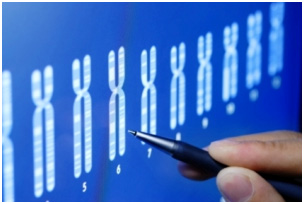
Fig. 6: A Representational Image of the Field of Bioinformatics
address the biological problems and analysis of data. It is a multi-disciplinary field involving applied mathematics, statistics, computer science, artificial intelligence, informatics, biochemistry.
The terms bioinformatics and computational biology are often used interchangeably. However bioinformatics more properly refers to the creation and advancement of algorithms, computational and statistical techniques, and theory to solve formal and practical problems posed by or inspired from the management and analysis of biological data. Computational biology, on the other hand, refers to hypothesis-driven investigation of a specific biological problem using computers, carried out with experimental and simulated data, with the primary goal of discovery and the advancement of biological knowledge.
Bioinformatics deals with creation and maintenance of databases of biological information. Advances in molecular biology and modern equipments in this field have made possible the rapid sequencing of genes. Bioinformatics is responsible for finding the DNA sequence of organisms, predicting the structure of discovered proteins, clustering protein sequences and developing protein models.
Major research areas employing bioinformatics are structural genomics, genetic engineering, DNA finger printing, modelling of evolution, functional genomics.
Future
Technology Tomorrow:
Biotechnology has the potential to change our world. Coming years may witness the whole new way of growing crops, dealing with deadly disease and handling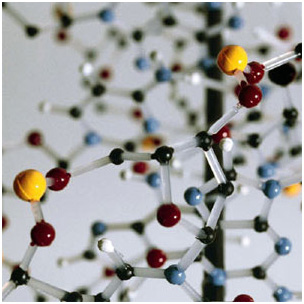
Fig. 7: An Image Showing Biotechnology Use in Handling Diseases and Environmental Issues
environmental problems. From our medicines to our food, biotechnology offers all new healthier ways to every aspect of life. In the future age of biotechnology, children will be produced in hatchery rather than born. Moreover, parents will be able to choose which of their gene combination they want to hand down to their children.
Many techniques like Crytogenetics, Xenotransplantation, Proteomics, DNA microarrays are ready to add new horizons to the advancement of biotechnology. Some ambitious projects under biotechnology capable of changing the face of the world includes Protein based ‘Biochips’ (which may replace silicon chips), Biological sensors, Nanotechnology applied to biotechnology, DNA buckyballs, Enzyme computers and many more. The future of Biotechnology holds promises for improved quality of life, termination of hunger, alleviation of sufferings, diseases expunged and many untold possibilities. The world of biotechnology is spinning faster and faster!!
Filed Under: ARM., Articles, Tech Articles

Questions related to this article?
👉Ask and discuss on Electro-Tech-Online.com and EDAboard.com forums.
Tell Us What You Think!!
You must be logged in to post a comment.